

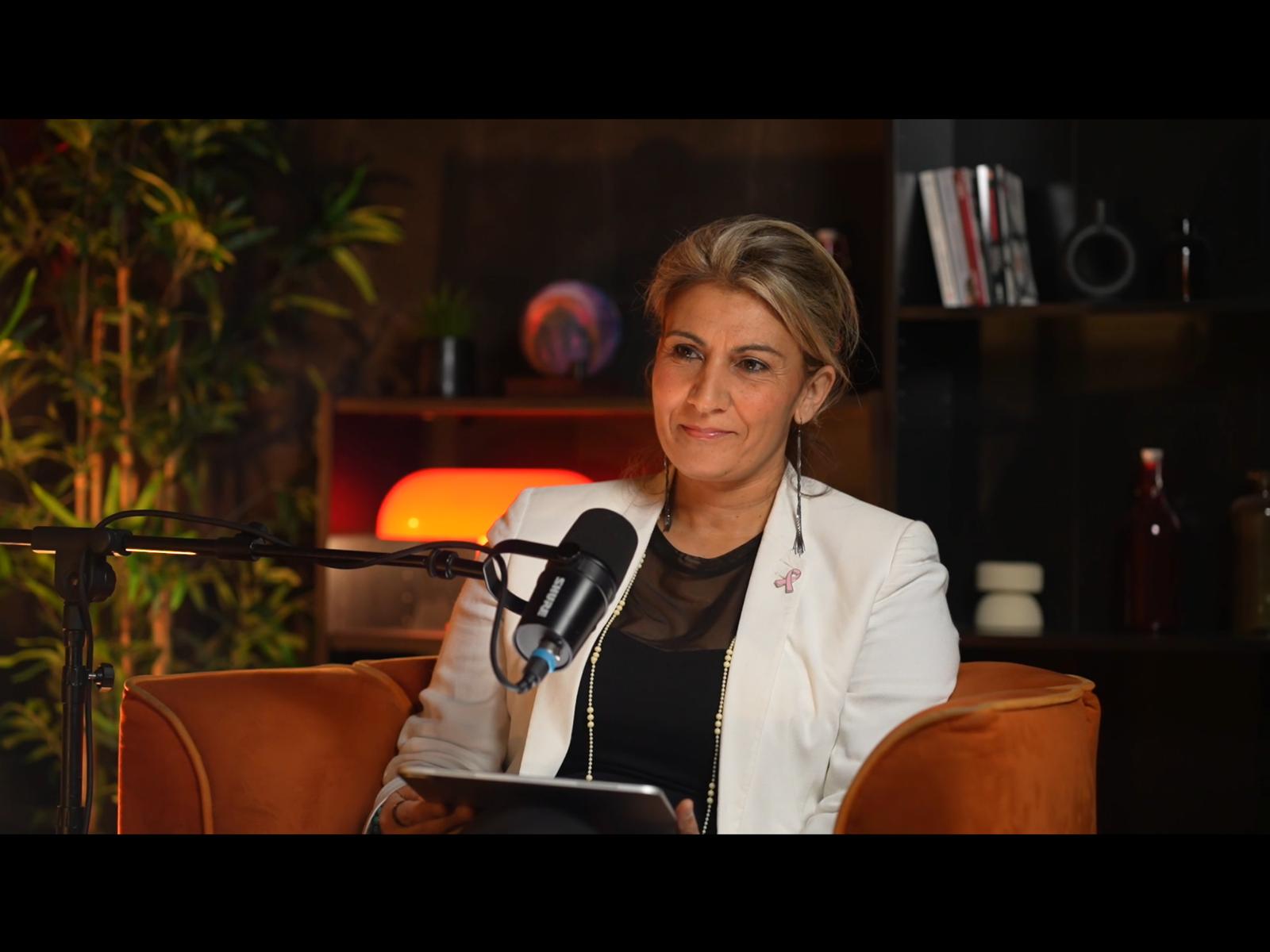
The Path of Resilience
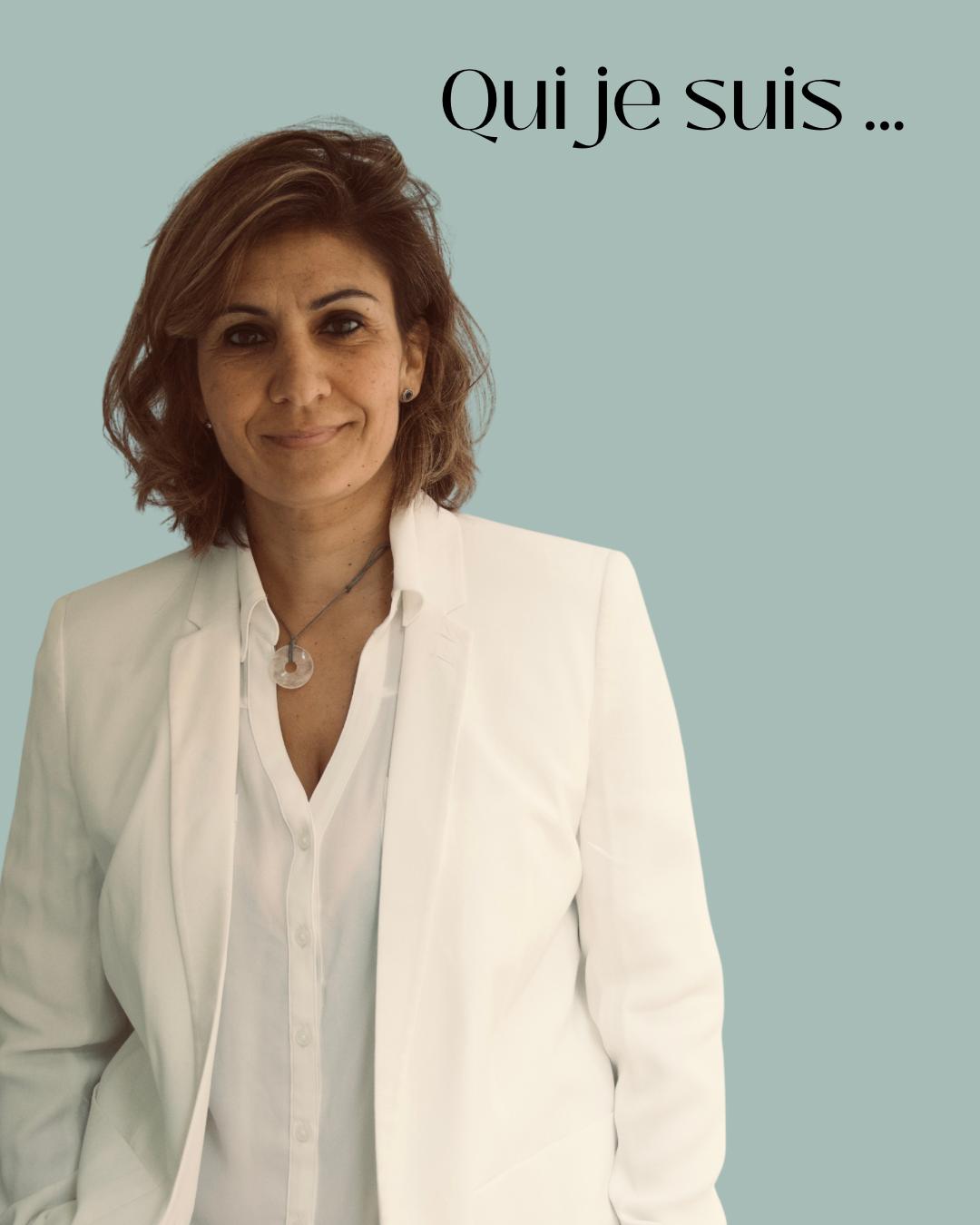
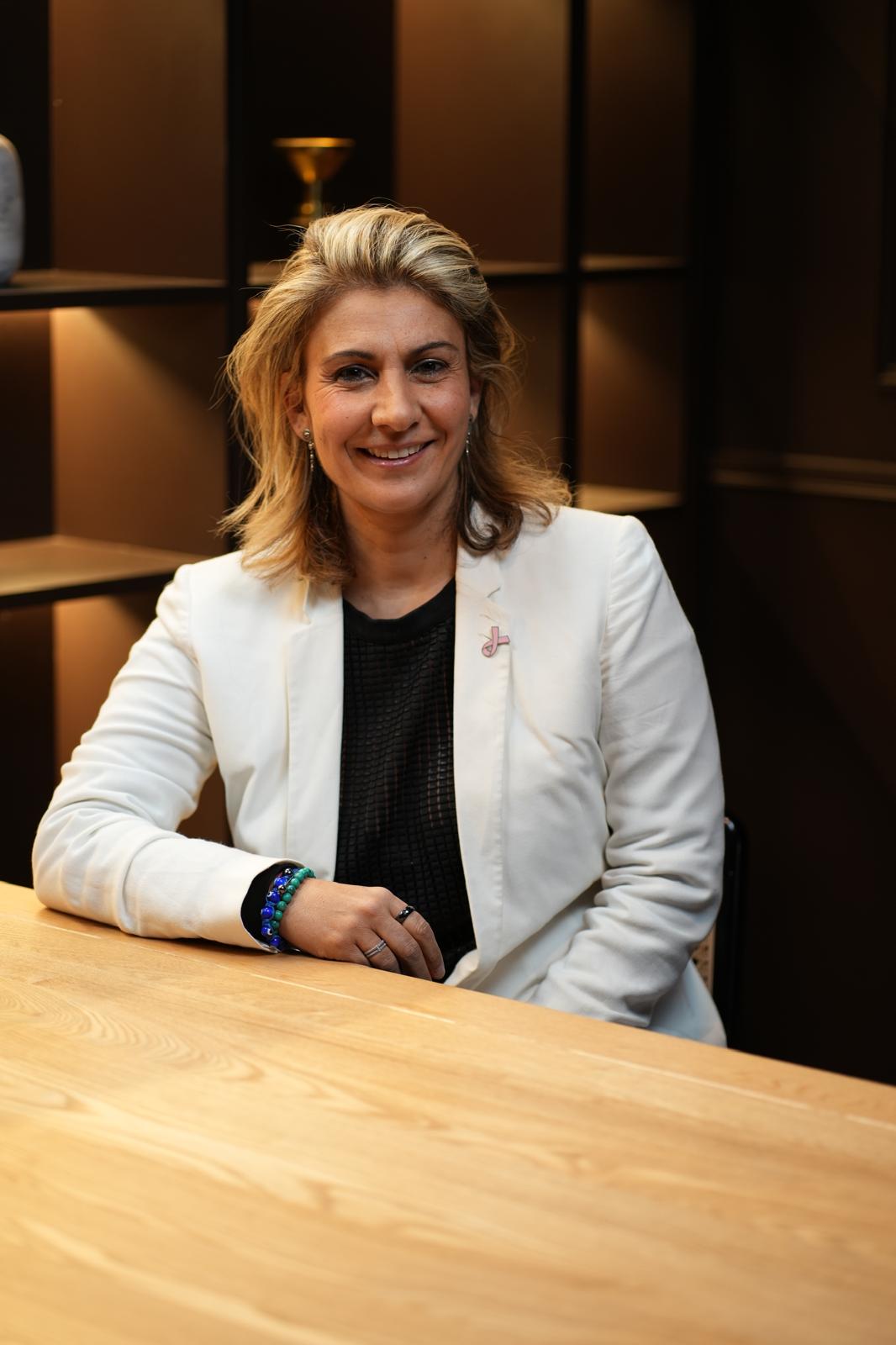
Marie-Ève Pollet has followed a remarkable journey. After 30 years in the police force, she felt the need to go further to change things, to make a difference, to help and support victims of violence.
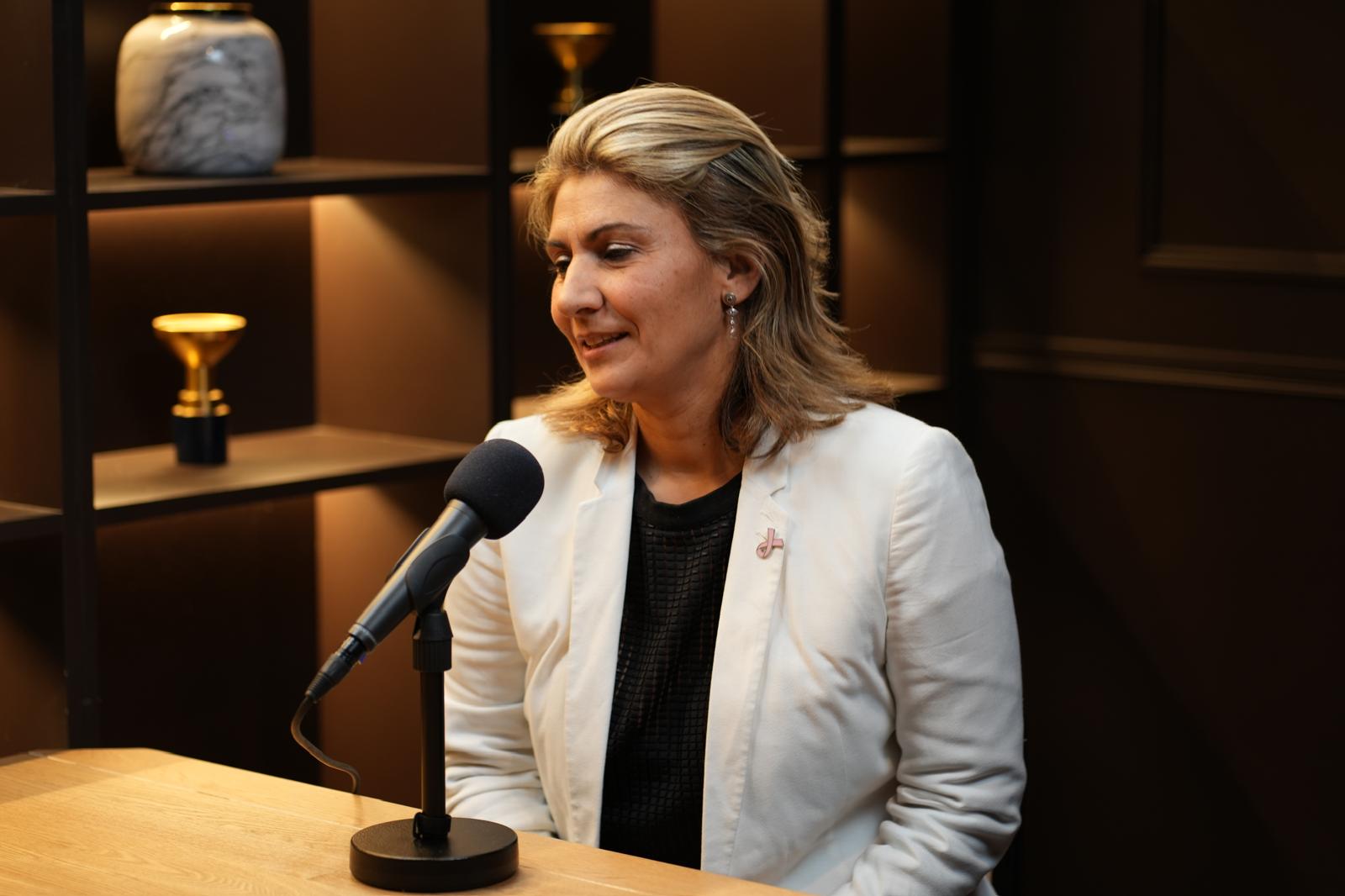
Our exclusive interview took place in an iconic setting the Palais des Festivals in Cannes, during the first edition of the Festival des Lys d’Or.

Marie-Ève, how did your journey into coaching begin?
It didn’t begin with the idea of coaching. It began with women walking into an office, unable to speak. For years, I saw tense bodies, vacant stares, trembling voices. I saw women who knew something abnormal was happening to them, but who did not yet have the words. And I also saw my own limits being present was no longer enough.
As I listened to these stories, one question became impossible to avoid:
“What happens after the shock? When the law exists, but the body is still in survival mode. When immediate danger is over, but inner control remains…”
That is when I began training – in neuroscience, trauma, dissociation, and mechanisms of coercive control. Not to change careers, but to go where my role could not stop.
Coaching became an obvious step: a space to repair what procedures cannot repair, to support what remains after the worst has passed, and to restore women’s ability to choose.
Would you say this is your life’s mission?
Yes. And it is neither a late revelation nor a change of direction. It is a natural continuation.
I have always been guided by the same line: to understand, protect, and transmit.Becoming a coach did not break anything—it was the logical extension of my commitment.
I was trained by INET (National Institute of Territorial Studies) in Angers, by Paris 8 University, I am a certified trainer, and I was trained by MIPROF (the Interministerial Mission for the Protection of Women against Violence and the Fight against Human Trafficking).
I worked at the heart of institutions, in direct contact with violence, trauma, and the system’s blind spots.
Coaching is not stepping outside the framework it is changing scale.
Today, I do not simply help women “feel better.” I support individuals, teams, and organizations in sustainably breaking free from patterns of domination, dissociation, and self-sabotage where procedures and goodwill alone are not enough.
When the brain is no longer in survival mode, clarity returns. Responsibility settles in. Performance follows.
This is true for an individual.
It is true for a company.
It is true for an entire system.
I never searched for a mission. It has always preceded me.
As a child, I already knew one thing: I did not want to miss my life. I felt that I had something to understand, to go through, and to transmit.
The day I realized I could transform this inner fire sometimes uncomfortable, sometimes lonely into a method, training, and meaningful transmission for others, I didn’t hesitate. I didn’t change paths. I fully embodied it.
In your view, what are the essential steps to leaving violence behind?
The first step and it is fundamental is understanding and acceptance. But accepting does not mean excusing. Acceptance means realizing that what you are experiencing is violence, that it is not normal, that it is not your fault, and that it is prohibited by law.
Many women arrive believing they are “crazy.” They are not. What they are experiencing has a name and naming it is already a way out of confusion.
The next step is breaking isolation. Speaking. Saying it. Being believed. Speech is liberating, and this is not symbolic: neuroscience shows that putting words to experience calms the nervous system and reduces dissociation.
It is also essential to be surrounded by the right people—trained professionals who understand coercive control mechanisms and do not minimize what is being lived.
Through my association SYNEV France, I support women in leaving violence, securing themselves, understanding what they are going through, and being guided toward appropriate legal and professional resources, in full respect of the law and existing pathways.
Then comes after. When the violence is over, but the body, the brain, and identity still carry its traces.This is where my work as a coach truly begins. I structured this support through my RESP!RE method, which regulates the nervous system, helps exit survival patterns, and rebuild a free and sovereign identity—without falling back into the same toxic profiles. Step by step. Without injunctions. Without further violence.
I often say this: leaving violence is not only about leaving. Because once you leave, other forms of violence may follow—institutional violence, loneliness, instability.
The most difficult moment is realizing that you are a victim.
Because it shatters an illusion.
But it is also the first moment of truth.
And the day a woman tells me, “Okay… I am not the problem,”I know something has already begun to move.
Who is most exposed to violence, in your opinion and why?
Contrary to common belief, violence does not affect only fragile or isolated individuals.
It affects people with high potential, as well as those in extreme vulnerability.
Competent, committed, visible, sensitive women those who think, succeed, and take their place—are particularly exposed to insidious, relational, psychological, and sometimes institutional violence.Because they disturb. Because they do not fit expected roles.
We must also never forget children and people with disabilities. Because they depend on others. Because they do not always have the means to name what they endure or to be heard or believed.
Violence always thrives where there is a power imbalance, dependency, or inability to defend oneself. What connects all these situations is imposed silence and confusion. And when violence is neither recognized nor addressed, its effects are deep and lasting: loss of bearings, diffuse fear, self-blame, inner collapse.
This is why prevention, training, and a fine understanding of domination mechanisms are now major human, ethical, and collective issues.
Do you believe it is possible to fully heal from trauma?
The question is not really about “healing” in the sense of erasing.
Neuroscience shows us that trauma leaves a trace but that trace is not a sentence.
What is possible, and essential, is no longer living under its control. When the brain exits a state of permanent survival, it regains its capacity to choose, to think, to project itself.
Unaccompanied trauma silently drives behaviors: hypervigilance, dissociation, self-blame, repeated toxic relationships.
Accompanied trauma becomes integrated information not a threat.
This is where true transformation happens: moving from reaction to decision, from survival to responsibility, from fear to inner freedom. I see it every day. The women I support do not come to forget. They come to stop being afraid without knowing why. And when they tell me, “I finally feel calm inside,”I know the trauma no longer governs their lives.We do not erase what was lived.But we can fully become ourselves again—without being prisoners of the past.The brain can learn something other than fear. Because it can reorganize, create new pathways, and regain flexibility. Neuroplasticity is extraordinary.
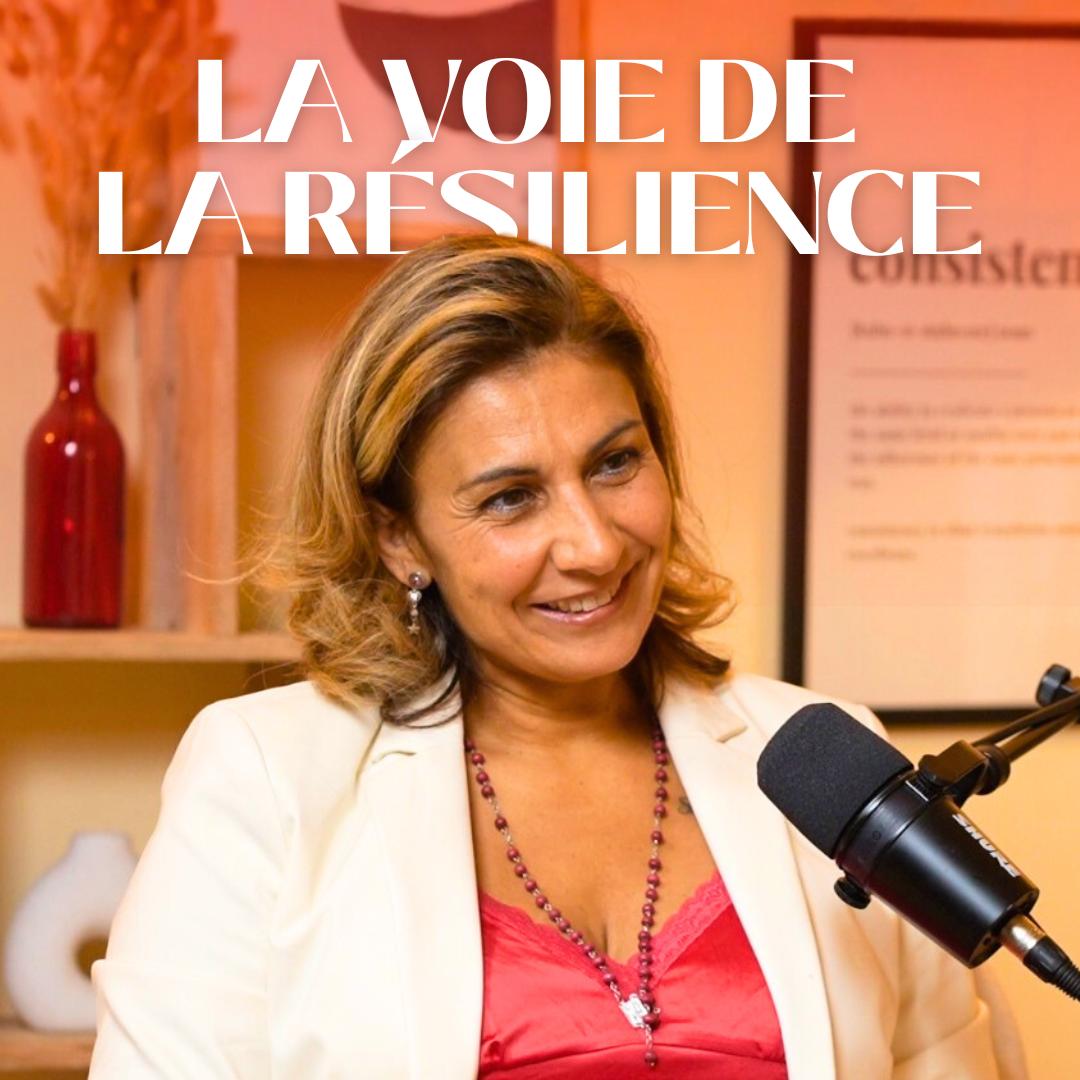
You host thematic podcasts. Can you tell us more?
The Path of Resilience podcast was not created to testify, it was created to explain.
I welcome experts, artists, and engaged public figures, always with the same requirement: to go beyond storytelling, to shed light on mechanisms, offer analytical keys, and allow both individuals and organizations to rethink violence, resilience, and reconstruction. It is a space for transmission, but also a strategic influence tool. It circulates a rigorous, embodied, accessible voice—far from sensationalism.
Above all, The Path of Resilience builds bridges:
between lived experience and understanding,
between the intimate and the collective,
between affected individuals, institutions, and companies seeking responsible engagement.
The podcast is my voice when I cannot be everywhere. It is a place where we slow down, truly listen, without interruption or justification.
It is also a safe space. A place where words can finally be given to what was long silenced and where one can simply feel less alone. I often read comments saying, “I understood something about myself while listening to you.” When that happens, the podcast has fulfilled its role.
Today, the project resonates strongly, with content exceeding 160,000 views, confirming the existence of a deeply engaged and attentive audience. It is in this context that partnerships with companies, institutions, and patrons seeking long-term, high-impact human and social engagement truly make sense.
What are your upcoming projects?
My projects follow a clear trajectory: to structure, transmit, and amplify impact. In the short and medium term, I am developing training and prevention programs for companies, institutions, and organizations wishing to act concretely on violence, toxic relationships, mental health, and managerial responsibility.
The dual objective is clear: protect individuals and secure professional environments.
At the same time, I continue expanding my reconstruction programs focused on after when violence is over, but its traces remain in the body, brain, and identity. This is deep, demanding work aimed at lasting autonomy. I am also developing large-scale transmission formats.
Through SYNEV France, alongside Member of Parliament Sandrine Josso, I am organizing a symposium on March 26 at the French National Assembly, dedicated to neuroscience and resilience—how to recover after violence—with leading speakers from scientific, institutional, and artistic fields.
A book is also currently being written. It extends this work of transmission by weaving together lived experience, neuroscience, and an understanding of coercive control and reconstruction.
This is not another testimonial but a tool for awareness and transformation.
Finally, I continue developing conferences, events, partnerships, and a documentary project to shift collective perspectives on these issues—without sensationalism, with rigor and depth. In parallel, I am expanding The Path of Resilience podcast with a clear ambition: to make it a reference platform on resilience, bridging neuroscience, lived experience, expertise, and transmission—reaching both the general public and institutions.
In the long term, my ambition is to structure a sustainable resilience ecosystem capable of dialoguing with public, private, and associative actors, and of making these issues a lever for human, social, and organizational transformation.
I do not build these projects to occupy space.I build them because I see, every day, what happens when there is nothing afterward.When a woman has spoken, left violence but is left alone with her body, fear, and survival patterns.I refuse that rupture. So I build. Step by step.
So that leaving is not an end but a beginning.
And so that resilience is not just a word, but a real, accessible, and lasting experience